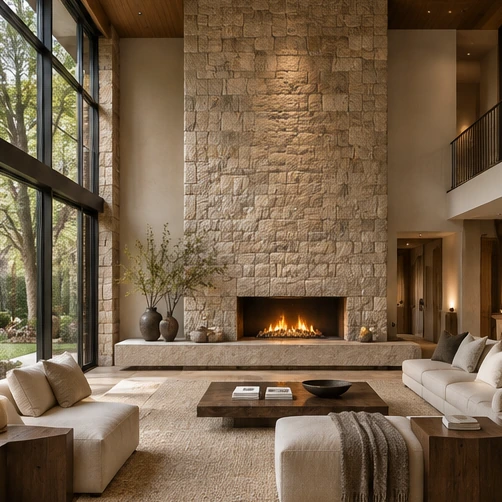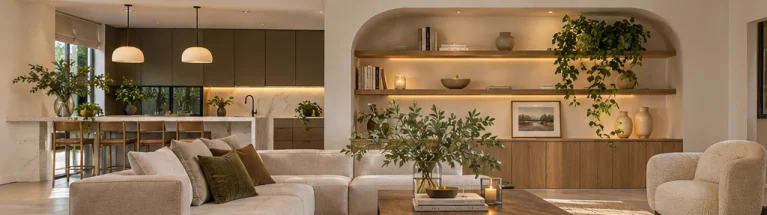
10 Minimalist Living Room Ideas for a Stylish, Cozy, and Clutter-Free Home
A beautiful living room doesn’t need expensive furniture, endless decorations, or a complicated color scheme. Sometimes, the simplest spaces feel the most inviting. That’s exactly why minimalist living room ideas have become so popular among homeowners who want a peaceful, stylish, and comfortable home.
Whether you’re decorating a small apartment or refreshing a spacious family room, minimalist design helps you create a space that feels open, organized, and effortlessly elegant.
And here’s the best part: minimalism doesn’t mean getting rid of everything you love. It’s about choosing furniture, colors, and accessories that make your living room feel welcoming without overwhelming the space.
Ready to give your living room a fresh look? These 10 minimalist living room ideas will help you create a beautiful space you’ll enjoy spending time in.
1. Choose a Soft Neutral Color Palette
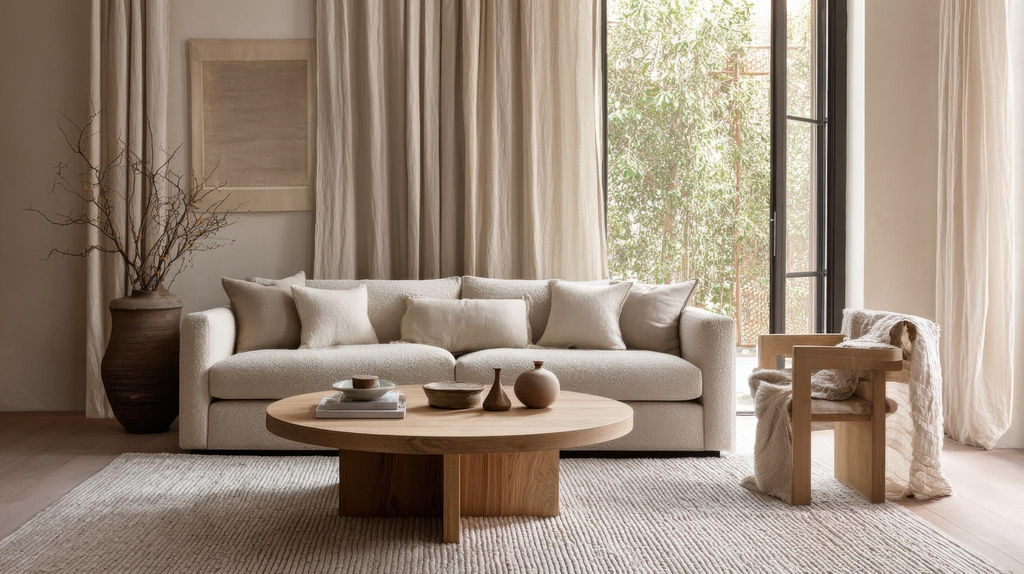
One of the easiest ways to create a minimalist living room is by starting with a neutral color palette.
Soft whites, warm beiges, light greys, and creamy tones make a room feel spacious and relaxing. They also provide the perfect background for simple furniture and carefully selected decorations.
Instead of combining too many bold colors, choose two or three complementary shades.
For example, you could pair warm white walls with a beige sofa and a light oak coffee table. Add cream cushions and a textured rug to create a cozy, layered appearance.
Styling tip: Use different textures within the same color family. Linen curtains, wool rugs, and wooden furniture prevent neutral rooms from feeling flat or boring.
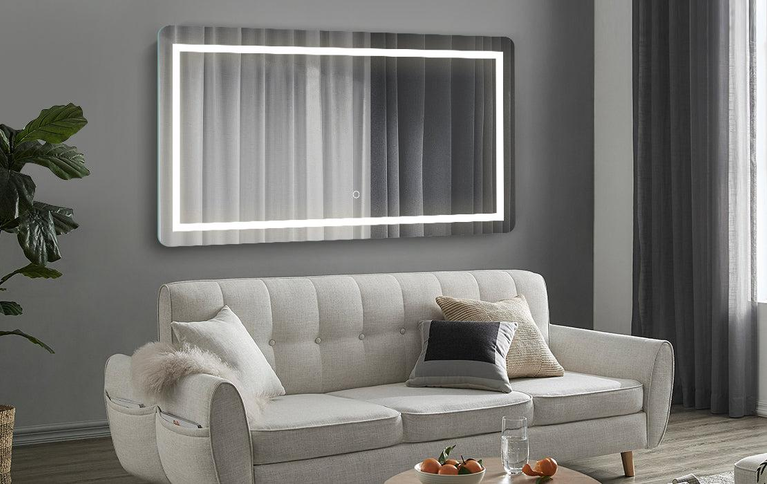
2. Try Grey Living Ideas for a Modern Minimalist Look
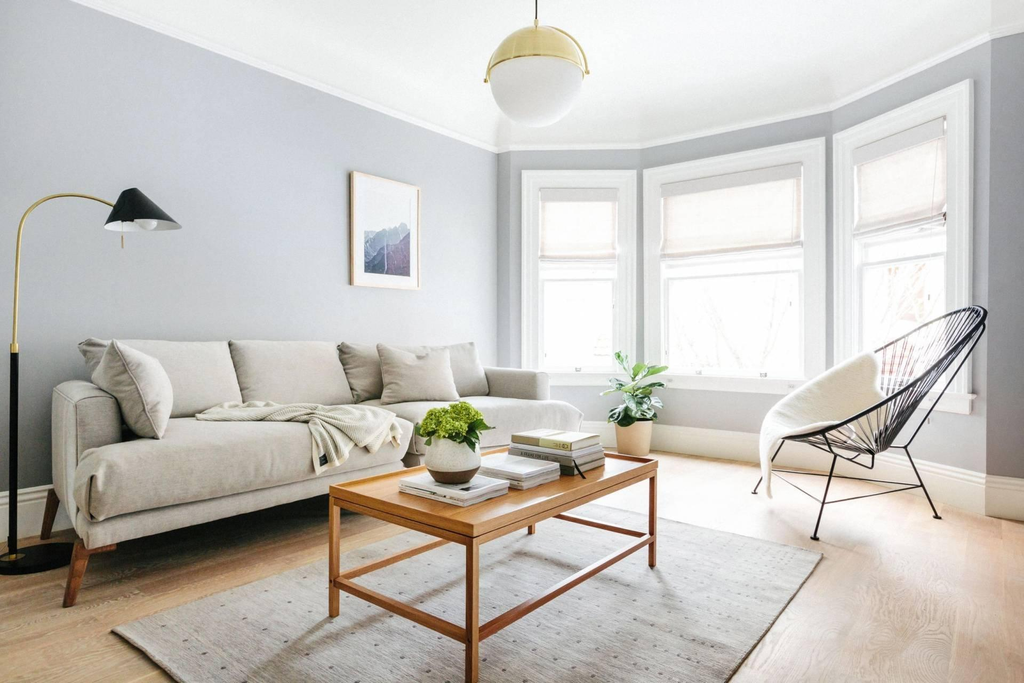
Grey is an excellent choice if you love modern interiors but still want your living room to feel comfortable.
Some of the most attractive grey living ideas combine light grey furniture with natural materials and warm accents.
A soft grey sofa looks beautiful against white walls, especially when paired with wooden furniture and subtle black details.
You can also experiment with different grey tones to create depth without introducing unnecessary colors.
For a balanced appearance, consider adding a charcoal throw blanket, cream cushions, and a pale grey area rug.
Styling tip: Choose warm-toned grey instead of overly cool shades if you want your minimalist living room to feel inviting.
3. Invest in Simple, Functional Furniture
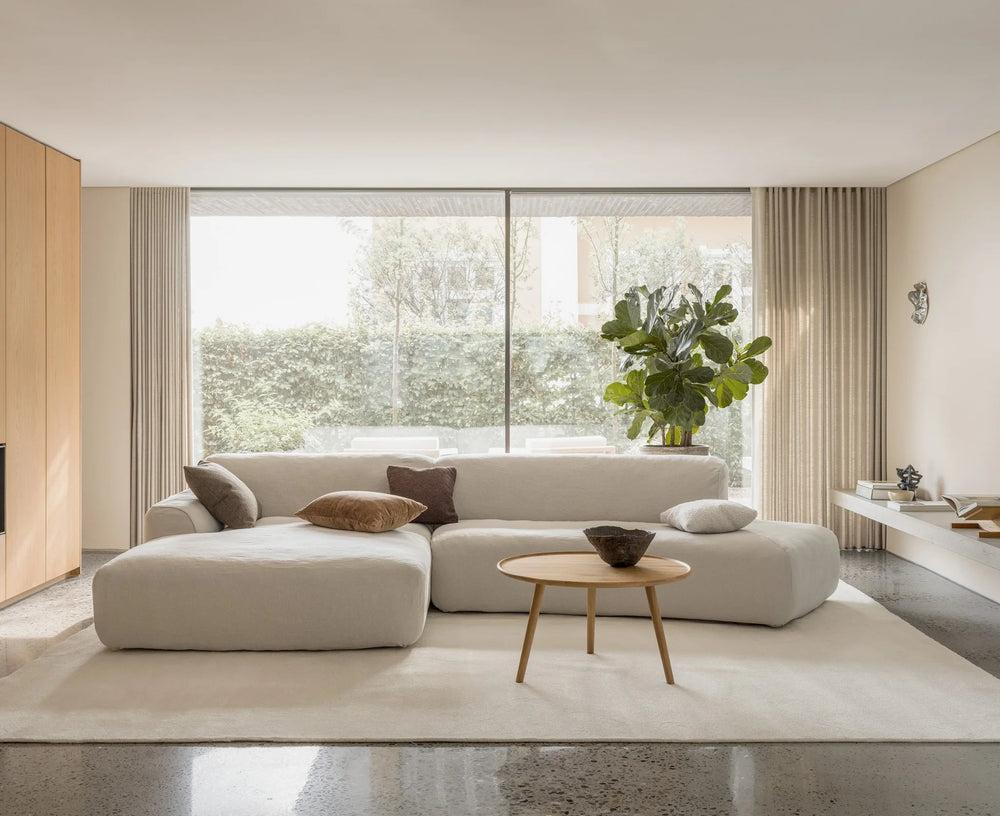
Minimalist living rooms look their best when every piece of furniture serves a purpose.
Instead of filling your space with oversized sofas, bulky cabinets, and decorative tables, focus on practical furniture with clean lines.
A comfortable sofa, a simple coffee table, and one elegant accent chair may be all you need.
Look for furniture featuring smooth surfaces, slim legs, and uncomplicated silhouettes.
Low-profile sofas are particularly effective because they create an open, airy feeling.
If your living room is small, consider furniture that offers additional storage. An ottoman with hidden compartments or a coffee table with drawers can help keep everyday items out of sight.
Remember, minimalist furniture should be both beautiful and comfortable.
4. Let Natural Light Become Your Main Decoration
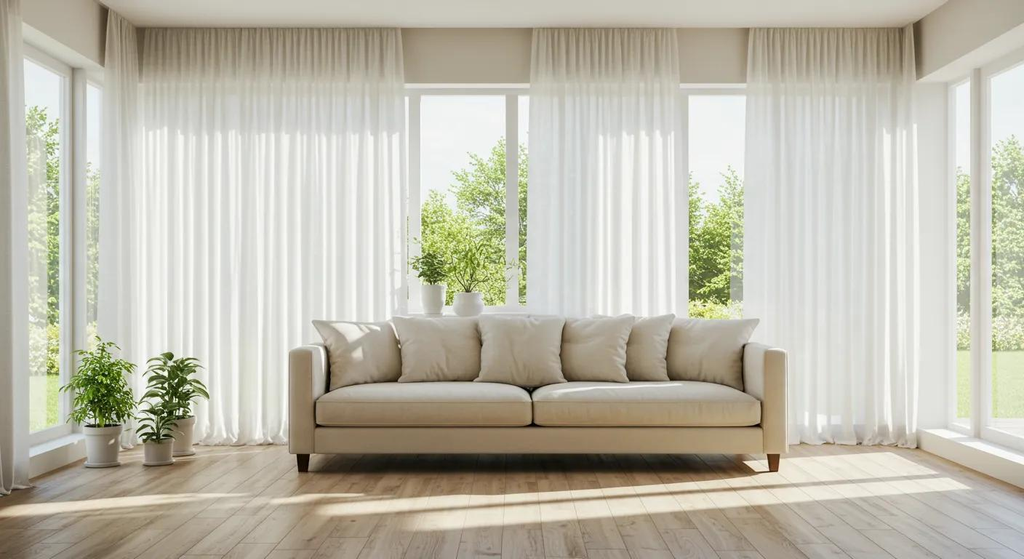
Natural light can completely transform a minimalist living room.
A bright, sun-filled space instantly feels larger, fresher, and more welcoming.
Rather than covering your windows with heavy curtains, choose lightweight fabrics that allow sunlight to filter through.
Sheer white curtains are especially popular because they provide privacy while maintaining an airy atmosphere.
Position your sofa or favorite reading chair where you can enjoy natural daylight.
You can also place a large mirror opposite a window to reflect light throughout the room.
Styling tip: Keep window areas free from bulky furniture so sunlight can move easily across the space.
5. Add Warmth With Natural Wood Elements
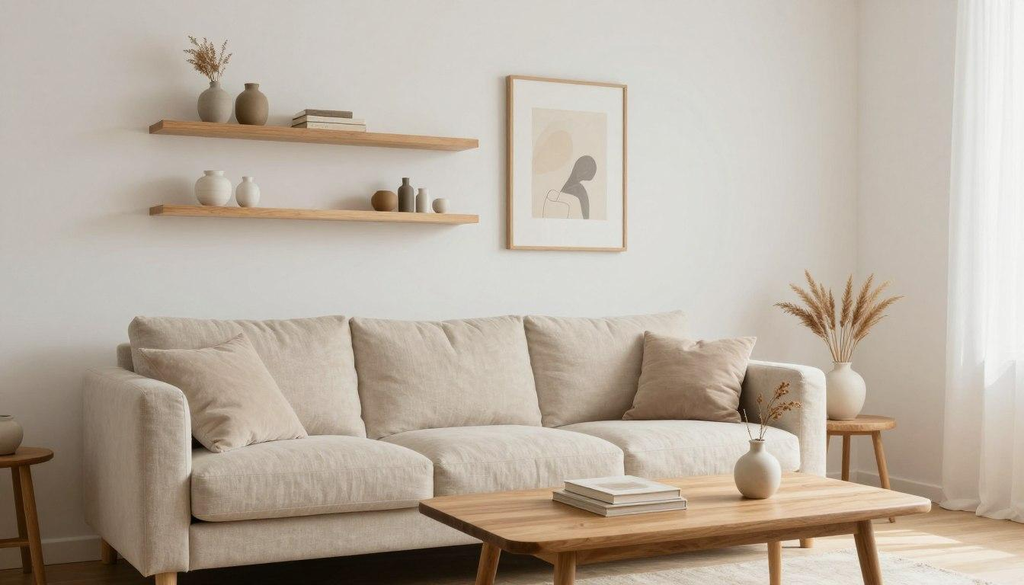
Minimalist interiors sometimes have a reputation for feeling cold, but natural wood can make them wonderfully cozy.
Wood introduces warmth, texture, and character without making a room feel visually busy.
Consider adding a light oak coffee table, wooden sideboard, or floating shelves.
If you prefer a modern Scandinavian look, choose pale wood finishes paired with white or cream furniture.
For a more sophisticated appearance, walnut furniture works beautifully with beige, grey, and muted earth tones.
You don’t need matching wooden pieces throughout the room. A few thoughtfully chosen accents are enough to create a harmonious design.
6. Create a Cozy Atmosphere With Layered Textures
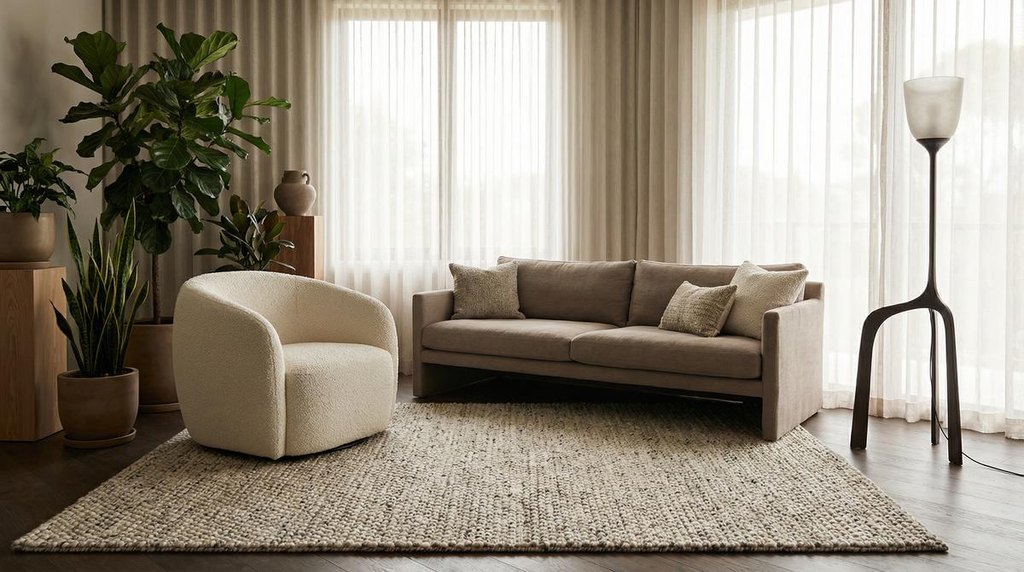
Minimalism doesn’t mean your living room has to look empty or uncomfortable.
In fact, some of the most beautiful minimalist spaces rely on textures rather than colorful decorations.
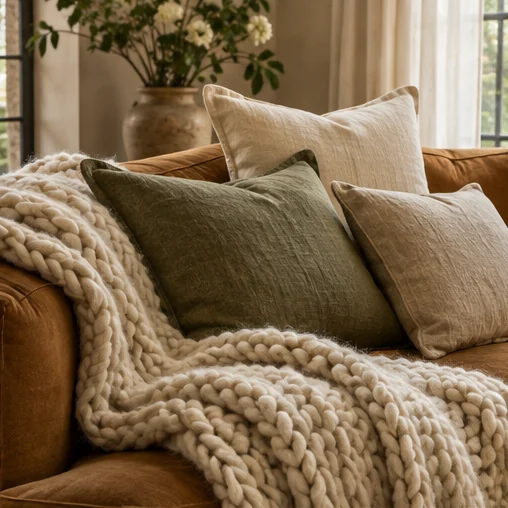
A chunky knit throw, soft linen cushions, and a textured area rug can make a simple room feel incredibly inviting.
Try combining materials such as cotton, wool, boucle, and natural fibers.
For example, a smooth beige sofa paired with a fluffy cream rug creates an interesting contrast while maintaining a calm appearance.
Choose a few high-quality textiles instead of covering every surface with accessories.
The goal is to create a space that feels warm and comfortable without looking cluttered.
7. Keep Wall Decor Simple and Meaningful
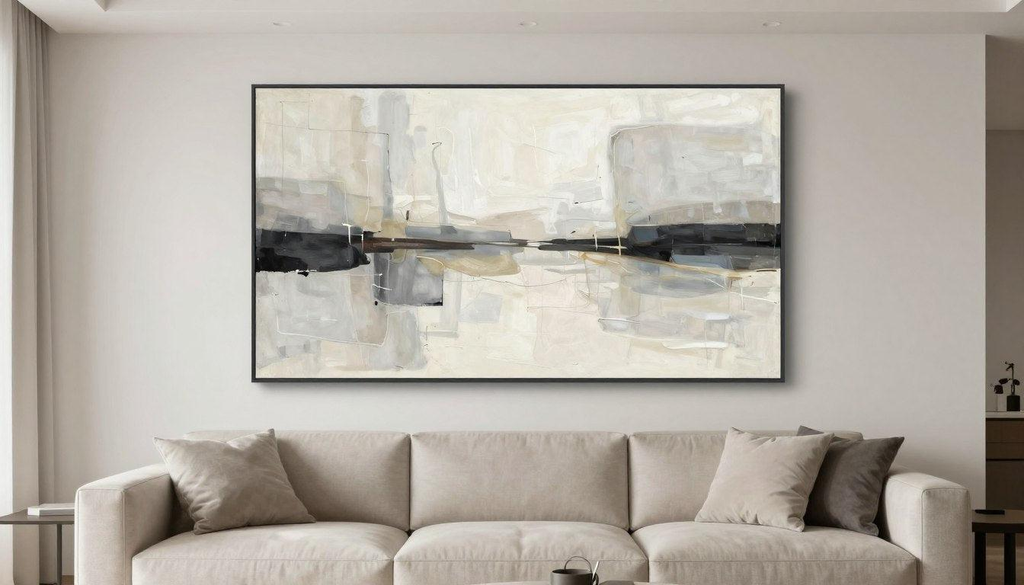
You don’t need an entire gallery wall to make your living room beautiful.
Minimalist wall decor focuses on a few meaningful pieces that complement the room’s overall design.
One large abstract painting above the sofa can create a stunning focal point.
Alternatively, choose two simple framed prints with matching colors and clean borders.
Black-and-white photography, neutral abstract artwork, and subtle botanical illustrations are excellent options.
Avoid filling every empty wall with decorations. Leaving some blank space allows your furniture and artwork to stand out.
Styling tip: Choose artwork that connects with the colors already present in your room for a cohesive, polished appearance.
8. Introduce Indoor Plants for a Fresh, Natural Touch
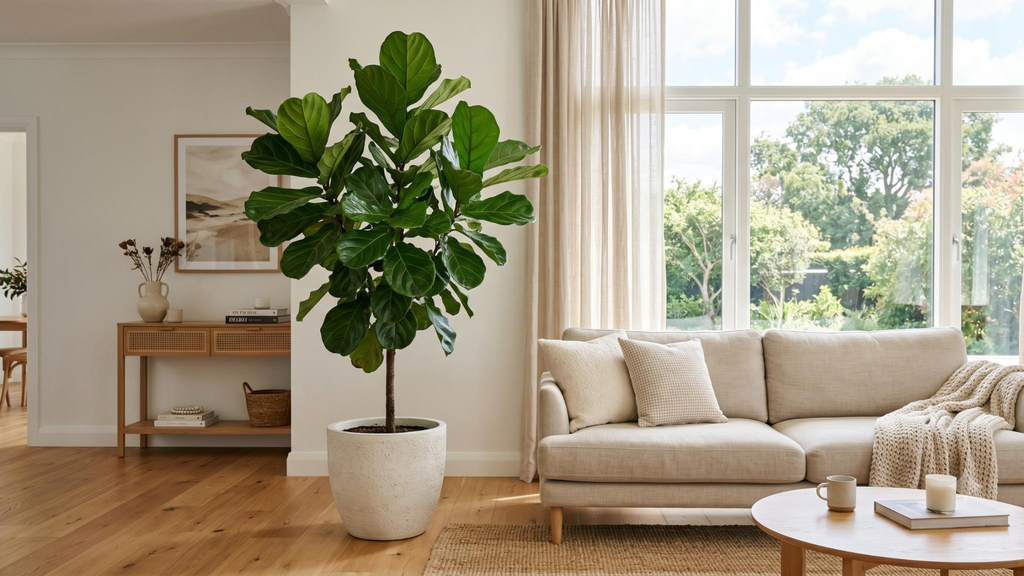
Indoor plants are a wonderful way to bring life into a minimalist living room.
Their natural shapes and fresh green colors create visual interest without requiring additional decorative accessories.
A tall fiddle-leaf fig beside the sofa can become a beautiful focal point.
If you prefer something smaller, try a snake plant, pothos, or rubber plant in a simple ceramic planter.
Choose planters in neutral shades such as white, beige, or terracotta.
Rather than placing plants on every shelf and table, select one or two locations where they can truly shine.
This approach keeps your living room feeling fresh, balanced, and uncluttered.
9. Use Smart Storage to Maintain a Clutter-Free Space
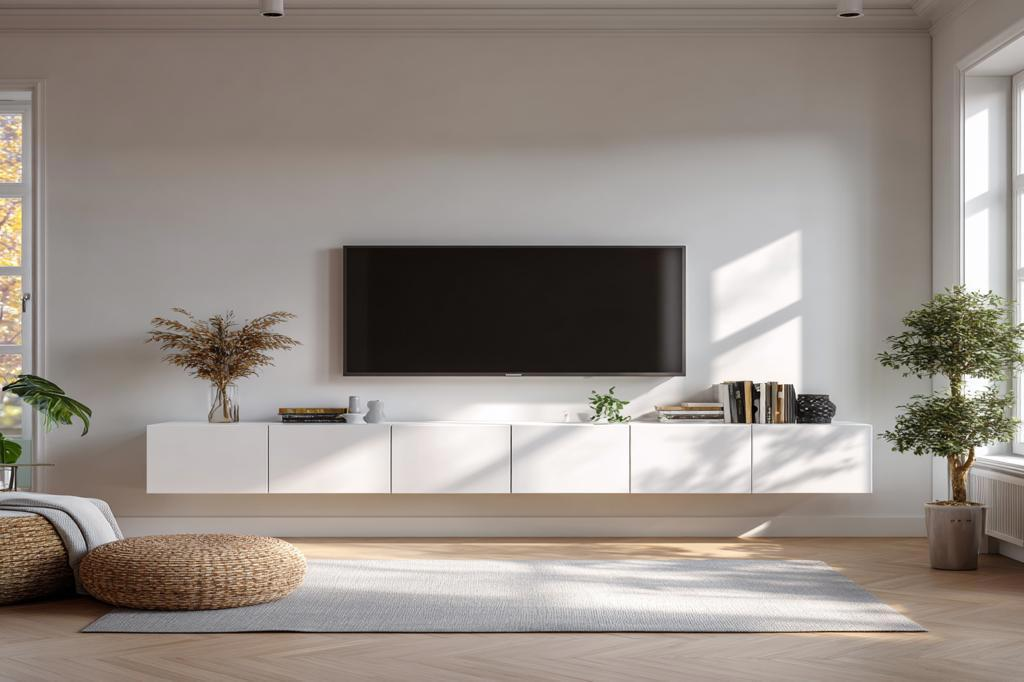
A clutter-free living room is one of the most important elements of minimalist design.
Even the most beautiful furniture can lose its impact when surrounded by scattered magazines, remote controls, toys, and everyday items.
That’s where smart storage becomes essential.
Choose closed cabinets, floating media units, or storage ottomans to keep unnecessary items hidden.
A sleek television console with concealed compartments can store electronics while maintaining a clean appearance.
Decorative baskets are also useful for organizing blankets and small accessories.
Try creating a simple daily habit of returning items to their designated places.
When everything has a home, maintaining a peaceful living room becomes much easier.
10. Create a Beautiful Focal Point Without Overdecorating
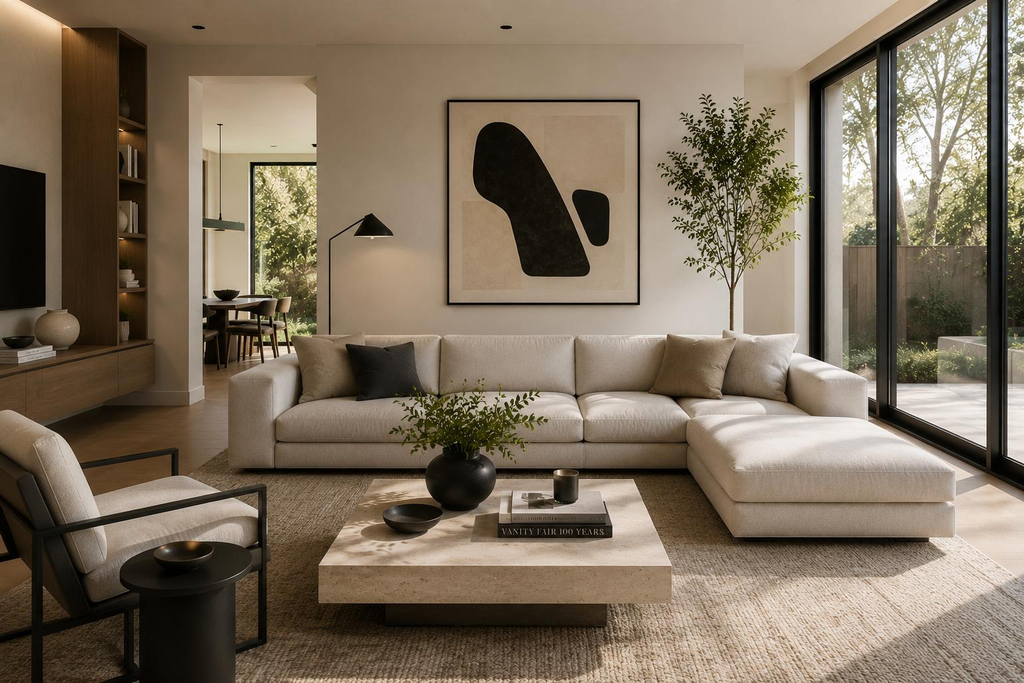
Every living room benefits from a focal point, even when the design is minimalist.
The key is choosing one standout feature rather than competing decorative elements.
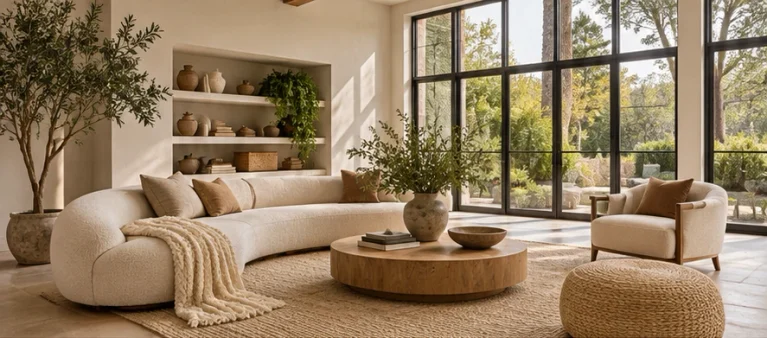
Your focal point could be a beautiful sofa, an oversized piece of artwork, a modern fireplace, or a sculptural coffee table.
For example, a large cream sectional paired with a distinctive wooden coffee table can create an elegant centerpiece.
Keep the surrounding accessories simple so your chosen feature receives the attention it deserves.
If you have a fireplace, arrange your seating around it and decorate the mantel with just one or two objects.
A carefully planned focal point makes your living room feel intentional, stylish, and professionally designed.
Final Thoughts: Make Minimalism Feel Like Home
Creating a minimalist living room isn’t about following strict decorating rules or removing everything from your space. It’s about finding the perfect balance between simplicity, comfort, and personal style.
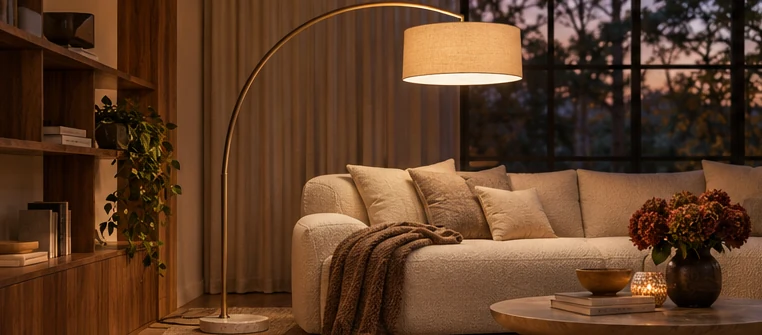
Start with a calming color palette, invest in functional furniture, and introduce natural materials that make your home feel warm and inviting. Thoughtful lighting, simple artwork, and clever storage solutions can make a surprisingly big difference.
Most importantly, remember that your living room should reflect how you actually live.
You don’t need to transform everything overnight. Begin with one or two of these minimalist living room ideas, experiment with different textures, and gradually create a space that feels peaceful, beautiful, and uniquely yours.
After all, the best minimalist living room is one that looks beautiful and feels like home.